


Northern Utah winters are known for their heavy snowpack and ice dams, exposing your roof to moisture for extended periods of time. These wintry conditions leave roofs vulnerable to mold and mildew growth, putting your home at risk of major structural damage. That’s why it’s so important to catch these problems early and seek professional treatment as soon as possible
If you’ve noticed mold and mildew on your roof, keep reading to learn how mold and mildew problems develop, what makes Utah homes particularly vulnerable, and how to protect your home’s health and extend your roof’s lifespan.
Why Mold and Mildew Develop More Easily in Utah Winters
Utah is famous for having the “greatest snow on earth”; however, it’s not all great. As the winter drags on, snow can accumulate on roofs and sit there for weeks. If ice dams form, they can trap melted snow, forcing water underneath the shingles. Plus, the limited sunlight in the wintertime reduces drying time, which means your roof is nearly always wet.
There’s also the negative effects of temperature fluctuations. Freeze-thaw cycles can cause tiny cracks in roofing materials that let water in, and when the warm attic air meets the cold surface of the roof, it can create condensation.
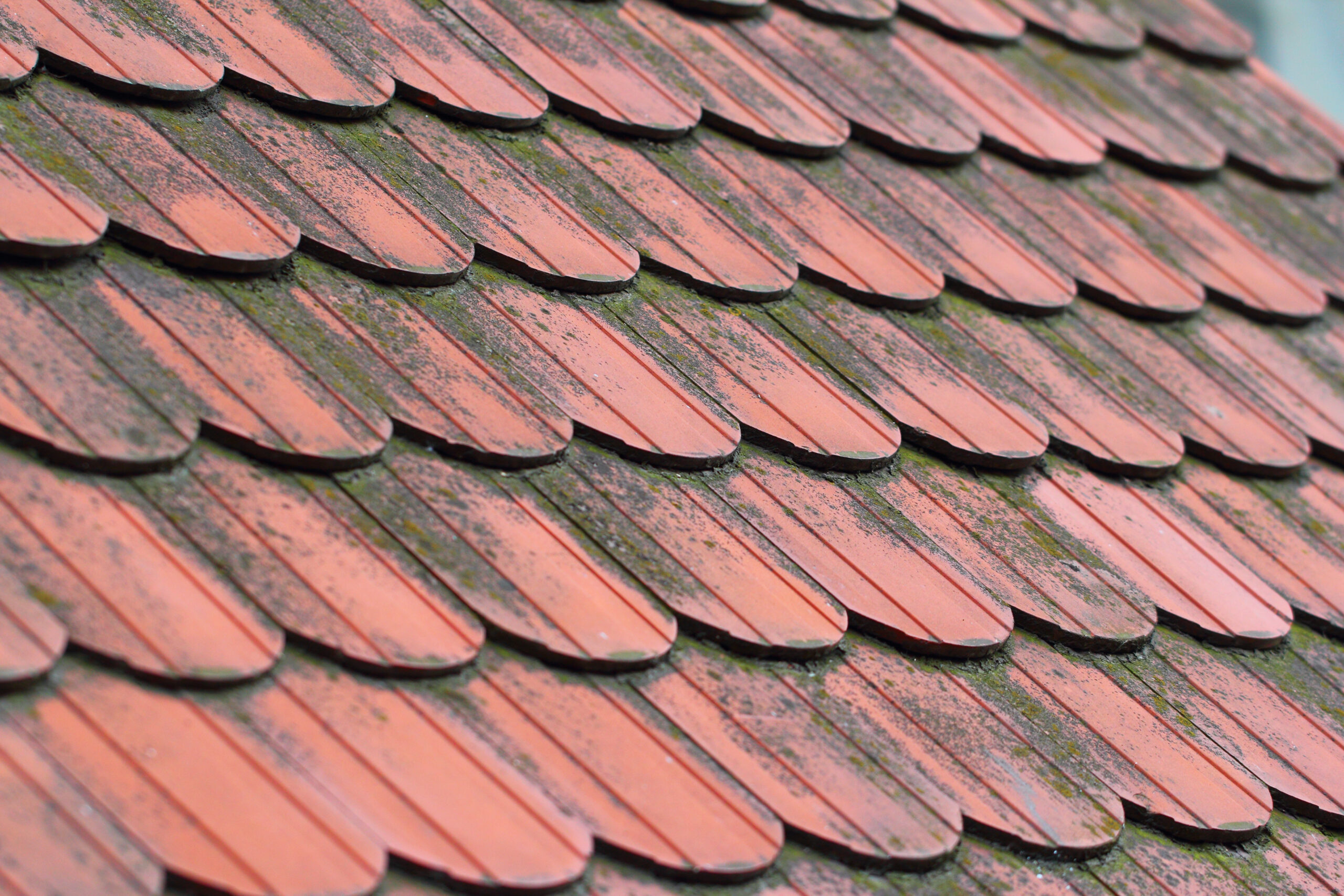
These are especially significant problems for asphalt shingles, which can harbor moisture in their granules. Older roofs are at risk, too, with worn-out materials letting water seep in. Plus, areas of the roof with poor ventilation can retain humidity under the roof deck, creating a breeding ground for mold and mildew.
The Risks of Mold and Mildew Growth on Your Roof
So, why is mold and mildew growth such a big deal? Let’s take a closer look at the risks they can pose to your roof, your health, and your home.
Structural Damage and Reduced Roof Lifespan
One of the biggest risks of mold and mildew growth is moisture intrusion, which can deteriorate the shingles over time, cause the decking to rot, and break down the protective granules on the shingles. Roof leaks can spread from seemingly small mold patches, making the need for premature roof replacement more likely.
Aesthetic Concerns
There’s also the impact of mold and mildew on your home’s aesthetics. Dark streaking on the shingles lowers curb appeal, and stains may spread rapidly across slopes with less sunlight, creating unsightly patches.
Health Implications
Mold can also put your health at risk. Spores can enter your home through roof leaks or vents, potentially causing respiratory irritation, exasperating allergies, and causing mold to spread throughout your home.
How to Identify Mold and Mildew Growth on Your Roof
Now that you know the risks of mold and mildew growth on your roof, let’s go over how you can identify it:
- Visual signs: Look for black or green streaks running down shingles, patchy discoloration, fuzzy growth, and stains concentrated on shaded slopes.
- Smells: Musty smells inside the home, especially in the attic, are often a sign of mold or mildew growth.
- Dampness: Be on the lookout for damp insulation in the attic or dark spots on the wood. Additionally, water stains on the ceiling indicate a moisture problem.
It’s time to call a professional if the stains cover a large area, you see obvious signs of damage to your roof, or you notice recurring moisture problems or ice dams.
How Mold and Mildew Are Removed from Roofs
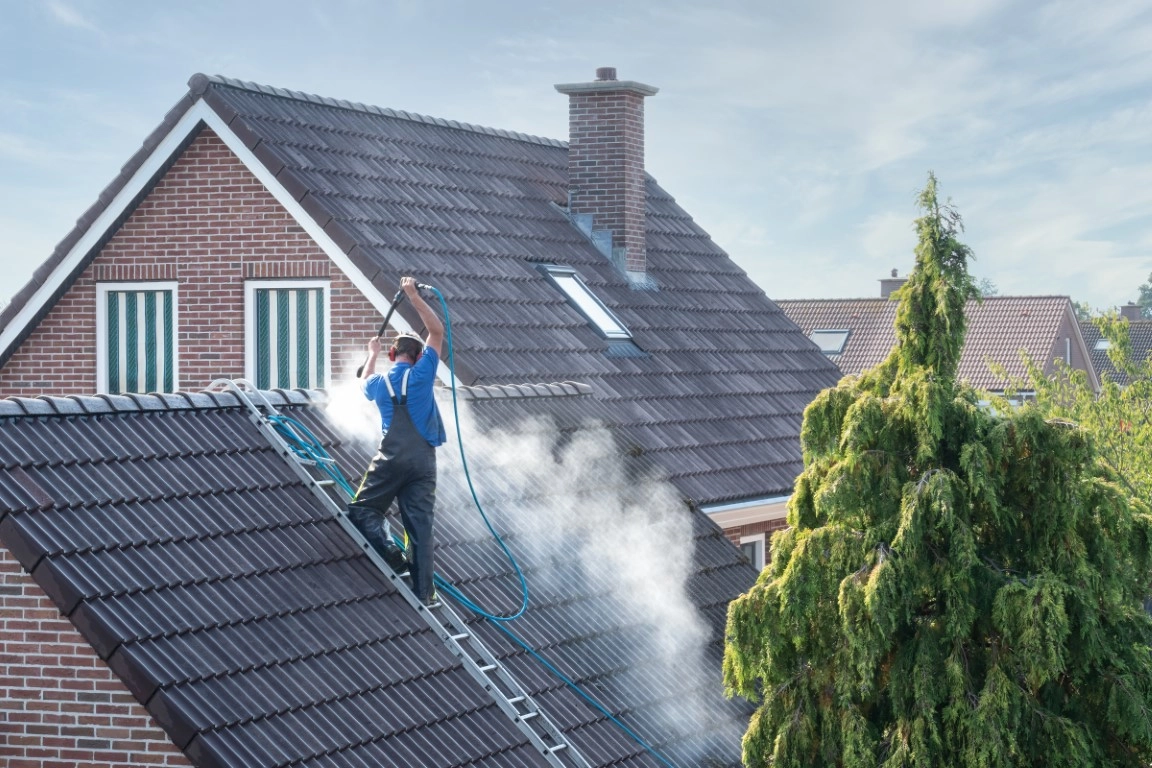
Professional roof cleaners address mold and mildew with low-pressure soft washing designed to avoid shingle damage, combined with EPA-approved cleaning solutions that have proven to kill mold and mildew spores. Avoid pressure or power washing, as the higher pressure can damage your roof.
If the mold has caused damage, it’s crucial to replace the compromised shingles and repair any sections of rotted decking. Have a professional inspect the underlayment, flashing, and ventilation systems for damage, as well.
How You Can Stop Mold and Mildew from Coming Back
To stop mold and mildew from returning, you can:
- Improve insulation and roof ventilation
- Clear unsafe snow buildup to prevent ice dam formation
- Seek regular roof inspections to catch moisture issues early before mold and mildew have the chance to spread
- Keep your roof and gutters clean
- Upgrade to algae-resistant shingles
- Install zinc or copper strips to inhibit mold growth
Comprehensive Roof Maintenance by Kanga Roof
At Kanga Roof, we’re experts in taking care of roofs in Utah’s snowy winters. Whether you need an inspection, post-mitigation repairs, or upgrades to mold-resistant materials, we’re here to help. Contact us this winter to schedule an appointment with our expert roofing technicians or request a free estimate.
Follow Us