

Utah is known for many extreme weather conditions, hot and cold temperatures, and heavy winter snow. Roofing for homes and businesses in the state needs to be maintained and built to withstand many different conditions and high exposure to UV rays. The high elevation and desert weather will cause more damage to your roofing material than you realize. Let’s dive deeper into how altitude and UV radiation impact Utah roofing and how maintenance can help.
Utah’s Extreme Weather
Utah has so many different weather conditions and typically experiences a drastic change between all four seasons. Because Utah is a desert, the heat is a dry heat, and winters are typically cold and heavy snow falls in the mountain ranges. The higher altitude, even in the valleys, makes the UV exposure at least 4 or 5% stronger than in other states. It can be hard to predict the weather in this state, which makes it difficult to choose roofing and exterior home materials.
Heavy snow, hot sun, wind, and spring and fall debris can put wear on your roofing material, no matter how durable it is. Less humidity in Utah means that the sunlight isn’t diffused before reaching your home, causing accelerated wear. Working with an experienced roofing team to maintain your home and choose the right roofing material will help protect your home.
UV Damage To Different Roof Materials
Homes in Utah experience 20 to 30% more UV exposure than homes at sea level, so choosing a durable or UV-resistant roof material is a necessity. Roofing needs to protect your home from temperature fluctuations, water leaks, and harsh UV exposure. Let’s look at how UV damage from altitude can affect different materials.
Metal
This is a popular roofing material for Utah homes because of its durability and long lifespan. UV damage can shorten its long lifespan, creating less of a draw for your home, cabin, or summer home in a high altitude. Long-term sun exposure and high UV radiation can cause fading, expansion that puts stress on fasteners, and oxidation or protective coatings. Metal is still one of the more durable materials against the sun, often lasting 40 years when homeowners have frequent maintenance.
Asphalt Shingles
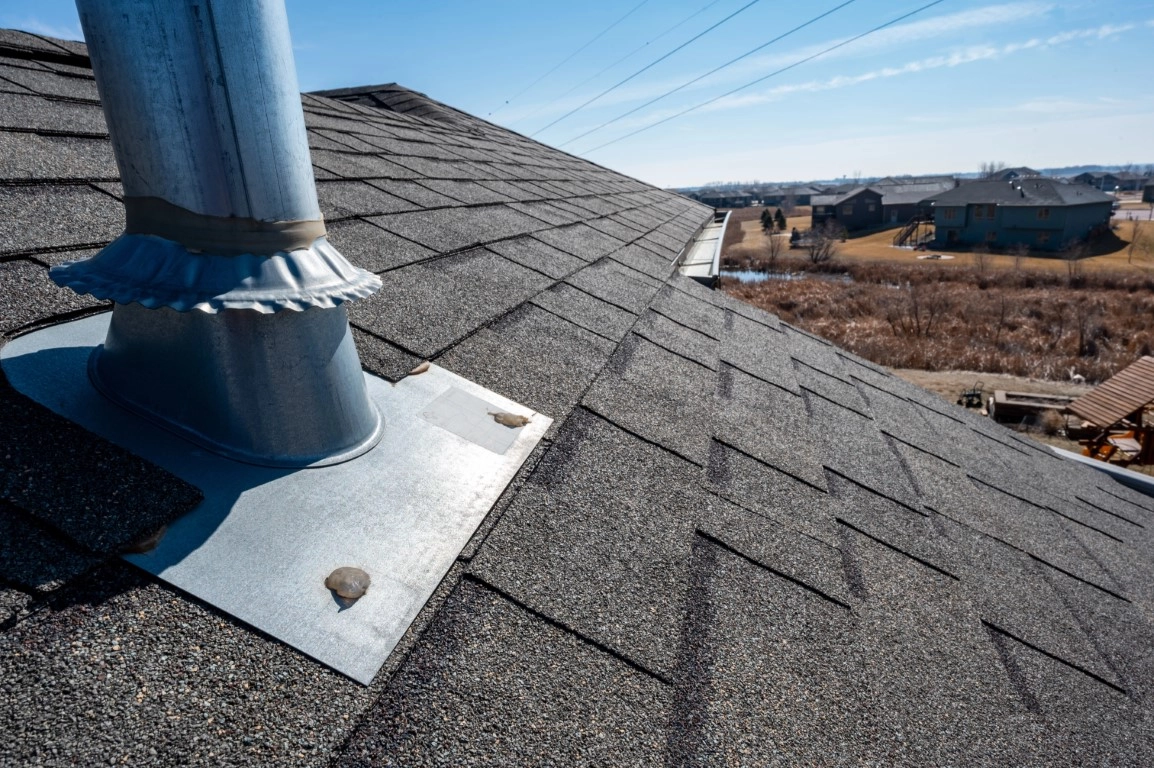
The most common roofing material is asphalt shingles, but they are still prone to damage from the sun and weather. Drying and cracking of the asphalt is the most common damage to asphalt shingles because of the temperature fluctuations and high sun exposure. Curling on the edges and color fading are also common for Utah homes. Replacing damaged shingles and applying protective coatings can help your shingle roof last for up to 25 years.
Clay Tiles
Tiles are known for their durability in high-sun areas, so they can be a great choice for Utah homes. However, they can still be damaged after decades of sun exposure. Tiles may become brittle over time, and the underlayment may become dry and weak. Clay, concrete, and slate tiles are a great option for high-altitude areas.

Synthetics
Engineered roofing options are often created for extreme weather conditions and can help reduce wear from moisture, sun exposure, or heavy debris. Synthetic roofing can experience some discoloration, but sun exposure doesn’t weaken the structure compared to wood, asphalt, or metal.
How Sun Or Weather Damage Affects Your Home
Since your roof protects your home from the weather, improves the interior temperature, and helps your home’s energy efficiency, finding the best roofing material is essential. Damaged roofing can impact your entry efficiency because it is unable to reflect the sunlight. Your furnace and air conditioner will have to work harder if your roof is damaged, leading to more carbon emissions and higher energy bills.
Preventing Damage From Utah’s Climate
Proper maintenance from an experienced roofing professional is the best way to keep your home in proper working order. Utah’s climate may require you to service your roofing materials at least once a year, including inspections, cleanings, and the reapplication of protective coatings.
Proper ventilation is also crucial to prevent heat buildup in your attic. Ventilation will also help reduce the impact of UV rays on roofing materials, preventing roof failure. During a roof inspection, have your roofing contractor look at ventilation areas to ensure they a providing enough air flow.
Services From Kanga Roof
If you are in need of a new roof, repairs, or inspections for roofing issues, Kanga Roof can help! Our expert team uses premium products, materials, and equipment to serve your Utah home. Keeping your home comfortable and safe starts with a high-quality roof. Our company provides work you can rely on, allowing you to have peace of mind about the safety and energy efficiency of the space. Reach out to us to request a quote for your project.
Follow Us