


With the internet, there’s a plethora of information — and misinformation — at our fingertips at all times. From outdated advice to unclear instructions to straight-up lies, it can be hard to tell the difference between fact and fiction. When it comes to roofing, falling for these myths can lead to greater long-term expenses, premature roof failure, insurance issues, and even safety risks.
That’s why we’re setting the record straight. Keep reading to learn the truth behind nine of the most pervasive roofing myths so you can understand how best to take care of your roof.
Myth #1: A Roof Only Needs Attention When It’s Leaking
You may think that your roof only needs attention when a problem like a leak occurs. In truth, small issues often develop long before you notice a leak. UV degradation, hail impacts, and wind uplift can cause hidden damage, which is why it’s important to seek routine inspections and preventative maintenance.
Be on the lookout for early warning signs, including damaged flashing, missing shingles, soft spots, and sagging. When you address these problems early, you can prevent major issues and extend the lifespan of your roof.
Myth #2: All Shingles Are Basically the Same
If you don’t know what you’re looking for, all shingles may seem pretty much the same. However, there are lots of differences between asphalt architectural shingles, three-tab shingles, metal, tile, and synthetic materials. Each type of shingle has a different lifespan, ability to resist wind, impact rating, and energy efficiency benefits. Depending on the climate, roof pitch, and building design, different shingles are better suited for different homes.
Myth #3: You Can Install a New Roof Over an Old One Without Any Downsides
You may be tempted to install your new roof over the old one in an attempt to save time, money, and headache. However, many municipalities place limits on roof layers because they add weight and structural stress to the building, reduce the ability to inspect decking and check for hidden damage, shorten the roof’s lifespan, and reduce the home’s resale value. Make sure you thoroughly consider all your options before making a final decision.

Myth #4: Dark Roofs Always Make Homes Hotter
While some dark-colored roofs tend to absorb heat, some roofing materials are better at reflecting and releasing heat than others. Attic insulation and ventilation also play a significant role in regulating indoor temperatures. With the right combination of factors, you may not have to worry about your dark-colored roof heating up your home.
Myth #5: DIY Roof Repairs Save Money
You may try to save money by performing roof repairs yourself, but the risks aren’t worth it. In addition to safety risks and liability concerns, common DIY mistakes such as improper flashing, sealing, and fastening issues can lead to leaks and voided warranties. Plus, there’s the long-term costs of repeated patch repairs rather than simply trusting the professionals in the first place.
Myth #6: Storm Damage Is Always Obvious
Many people assume they’ll be able to spot storm damage from a mile away; however, it’s not always obvious, especially to the untrained eye. Hail impacts, lifted shingles, and compromised underlayment are often more subtle at first, but can worsen over time, causing leaks and water damage. That’s why it’s important to get professional inspections and documentation after storms, just in case you need to make an insurance claim in the future.
Myth #7: Gutters Don’t Affect Roof Health
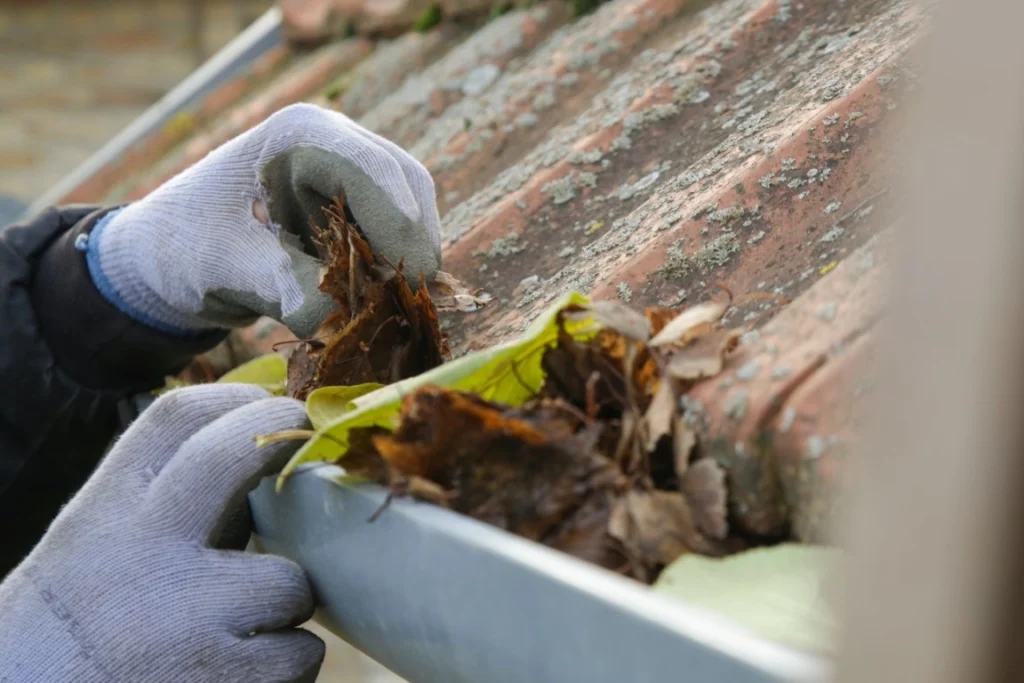
Most people don’t understand how crucial their gutters are to the health of their roof. However, clogged gutters can cause water backup that leads to rotting, ice dams, and shingle deterioration. This increases the risk of water damage and mold, putting your home’s structural integrity at risk. That’s why it’s so important to seek regular gutter cleaning and ensure proper drainage.
Myth #8: Attic Ventilation Doesn’t Matter
Poor attic ventilation traps heat and moisture, leading to a reduced shingle lifespan, higher energy bills, ice dam formation, and compromised indoor comfort. Whether it’s ridge vents, soffit vents, or attic fans, make sure your attic has proper ventilation to protect your roof — and your home — from damage.
Myth #9: The Cheapest Estimate Is Always the Best Choice
You’ve heard the saying, “You get what you pay for.” While it may be a cliche, it’s definitely true when it comes to roofing! Don’t base your decision of contractor on price alone. Instead, focus on the labor standards, material quality, insurance coverage, and warranties to determine the best value for your money.
Separating Roofing Facts from Fiction
If you want the facts, trust the experts at Kanga Roof. Our licensed, experienced roofing professionals are prepared to answer any questions you may have about roofing. Contact us today to get started on your next roofing project!
Follow Us