

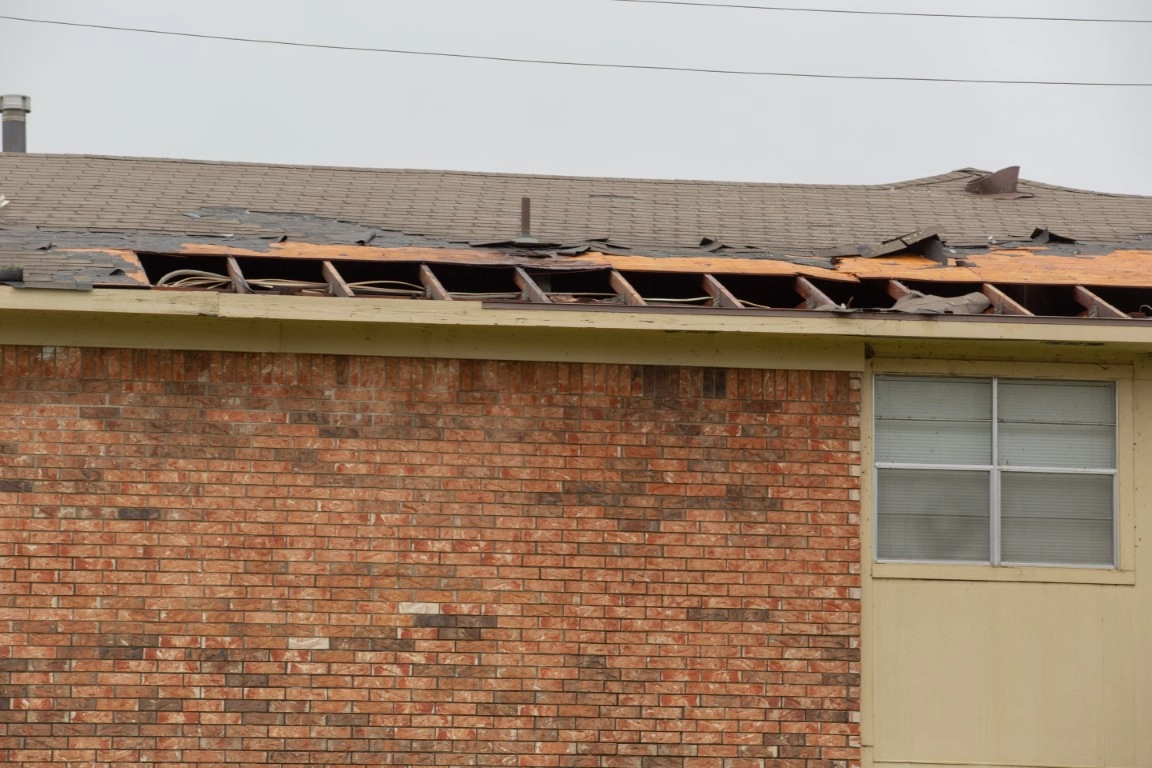
Wind uplift is a phenomenon that occurs due to a building’s aerodynamics. Wind accelerates upward, creating positive pressure under the overhanging eaves and negative pressure on top of the roof. This pressure difference can lift panels, damage membranes, worsen cracks, and even rip the roof apart at its seams.
As you can imagine, wind uplift is one of the leading causes of roof damage during storms; however, it’s not widely understood among homeowners. If you’re looking for ways to protect your roof from damage, keep reading to learn more about how and why wind uplift occurs, its destructive effects, and how to prevent it.
How Wind Uplift Damages Roofs
Put simply, wind uplift occurs when wind creates greater pressure beneath the roof than it does above the roof. When wind encounters the outside wall of a building, it has nowhere to go but upward. From there, it’s pushed over the corners and edges of the roof, where it creates small vortexes around the roof’s perimeter. The result of all this movement is negative pressure pulling on the top of the roof while positive pressure pushes from underneath, creating wind uplift.
This effect can lift shingles, tiles, and panels, often starting at the edges and corners of the roof. Even a small lift can lead to widespread damage over time, worsening the effects of the wind and causing the roofing materials to “peel” off.
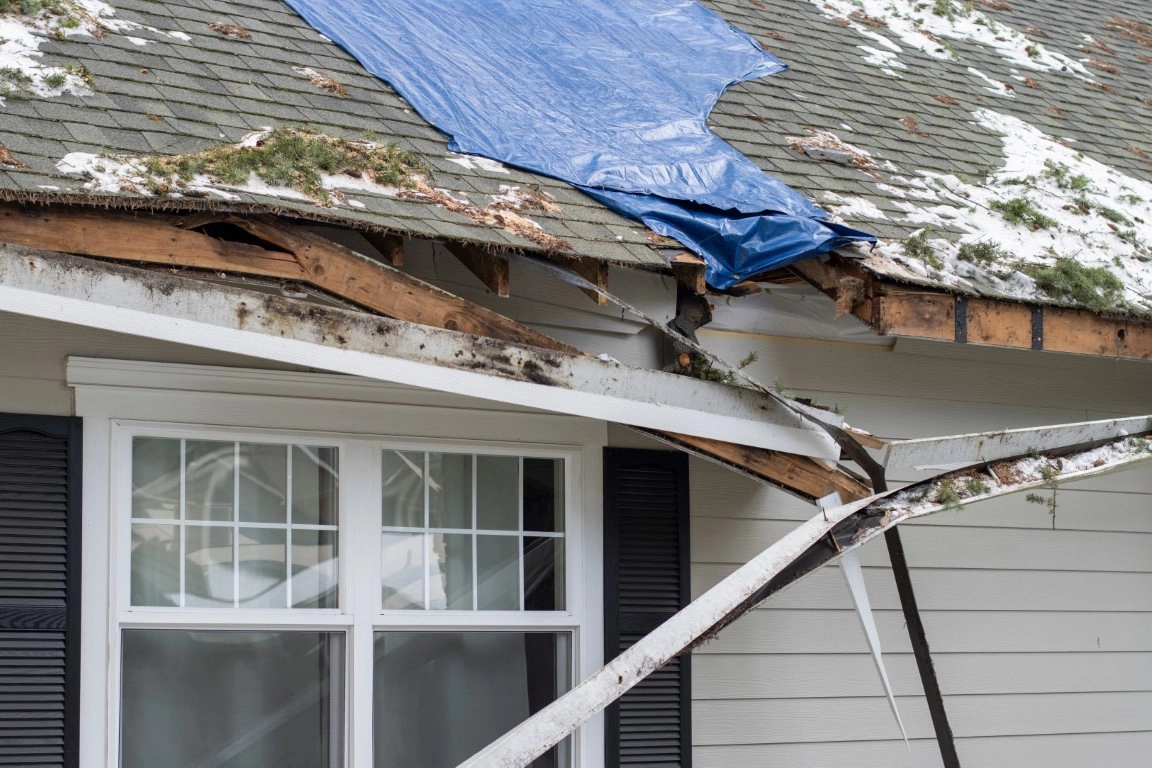
Wind uplift can also lead to secondary damage. Once the shingles or panels have lifted, you’re at a greater risk of water intrusion and roof leaks, attic moisture problems, mold growth, wood rot, and water damage to the interior walls and ceilings.
The Risk of Wind Uplift
The areas most vulnerable to wind uplift are:
- Roof edges, corners, and eaves
- Ridges and hips
- Overhangs and soffits
- Flashing, vents, and skylights
The risk of wind uplift is greater when the roof is aging or deteriorating, it was installed improperly or with poor workmanship, there’s inadequate fastening or nail placement, there’s previous storm damage or DIY repairs present, or you live in a place with frequent storms or high winds.
Preventing Wind Uplift Damage
Preventing wind uplift begins with choosing the right roofing materials. There’s no universal system for wind uplift ratings; however, there are a few standards and requirements used by the industry to ensure roofs are up to code, including:
- UL 580: The higher the class (up to 90), the better resistance to uplift.
- UL 1897 and ASTM E 1592: The results of these tests are reported as the highest amount of uplift pressure a roof can withstand before failing — the higher, the better.
- FM 4471: This rating tells you how much wind pressure the roof can withstand in pounds per square foot.
Once you’ve chosen roofing materials with proper ratings, the next step in achieving greater resistance to wind uplift is proper installation. The roofing installers are responsible for using proper nailing patterns and fasteners, using starter shingles and edge reinforcement, using underlayment with high wind ratings, meeting sealing and adhesive requirements, and following all manufacturer installation guidelines.
After installation, preventing wind uplift damage is up to you. Make sure you keep up with routine roof inspections and maintenance. If necessary, reseal and secure weak areas. Keep nearby trees trimmed to minimize the risk of damage from flying debris.
If your roof isn’t currently wind-rated, make sure you upgrade to higher-quality materials when it comes time to replace it.
Signs Your Roof May Have Uplift Damage
Be on the lookout for signs your roof may have wind uplift damage, including:
- Lifted, curled, or missing shingles
- Exposed nail heads or loosened fasteners
- Flapping noises during windy conditions
- Water leaks after storms
- Granule loss near roof edges
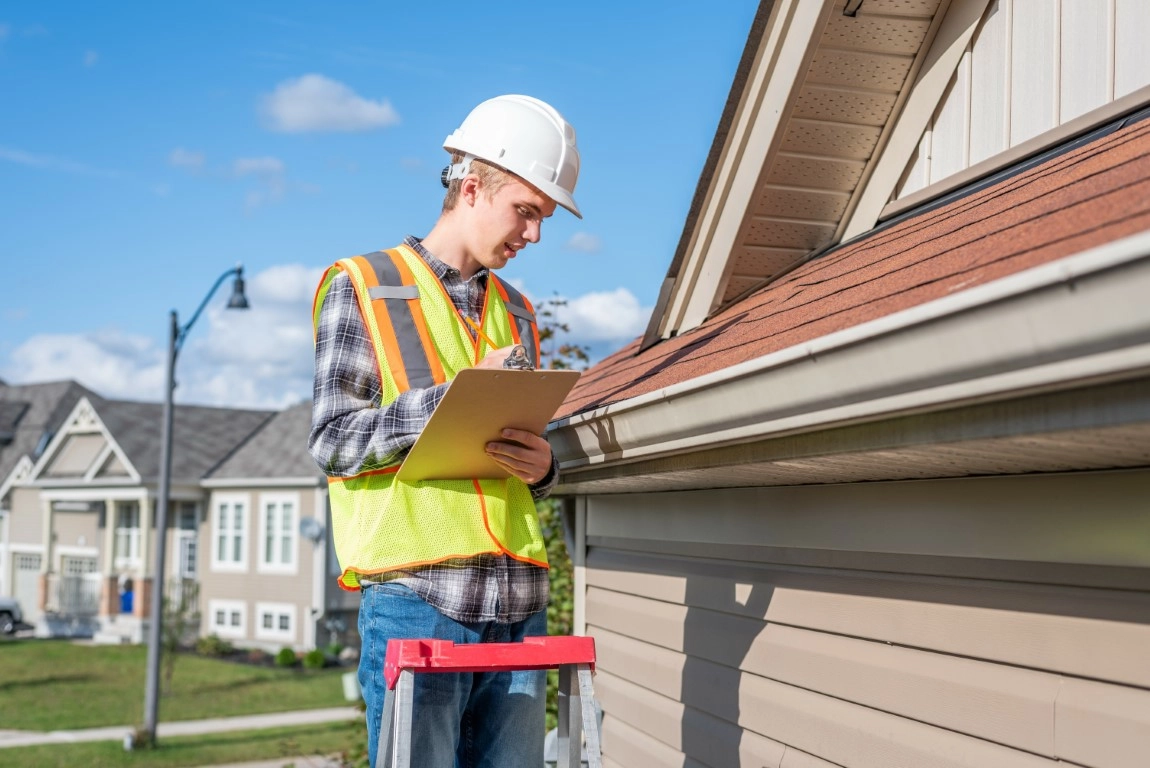
If you notice any of these signs, it’s essential to seek a professional inspection and repairs as soon as possible so you can stop damage from worsening. Make sure you get plenty of documentation for insurance claims.
Protect Your Roof from Wind Uplift with Kanga Roof
At Kanga Roof, we know that wind uplift is a serious concern, especially in areas of Northern Utah known for their high winds. We use proper tools, materials, and techniques to prevent damage and set your roof up for success, no matter the weather. Contact us today to schedule a professional inspection or repairs and ensure your roof can stand up to the wind’s destructive force.

Follow Us