

Your roof does more than keep rain, snow, pests, and debris out of your home. It also plays an essential role in regulating the temperature inside your home. Roofing ventilation is particularly impactful when it comes to home comfort and energy efficiency, helping to manage heat and moisture throughout the changing seasons.
Keep reading to learn more about the importance of roofing ventilation, how it can improve your home’s comfort in both summer and winter, how to improve your roof’s ventilation, and more.
What Is Roof Ventilation and How Does It Work?
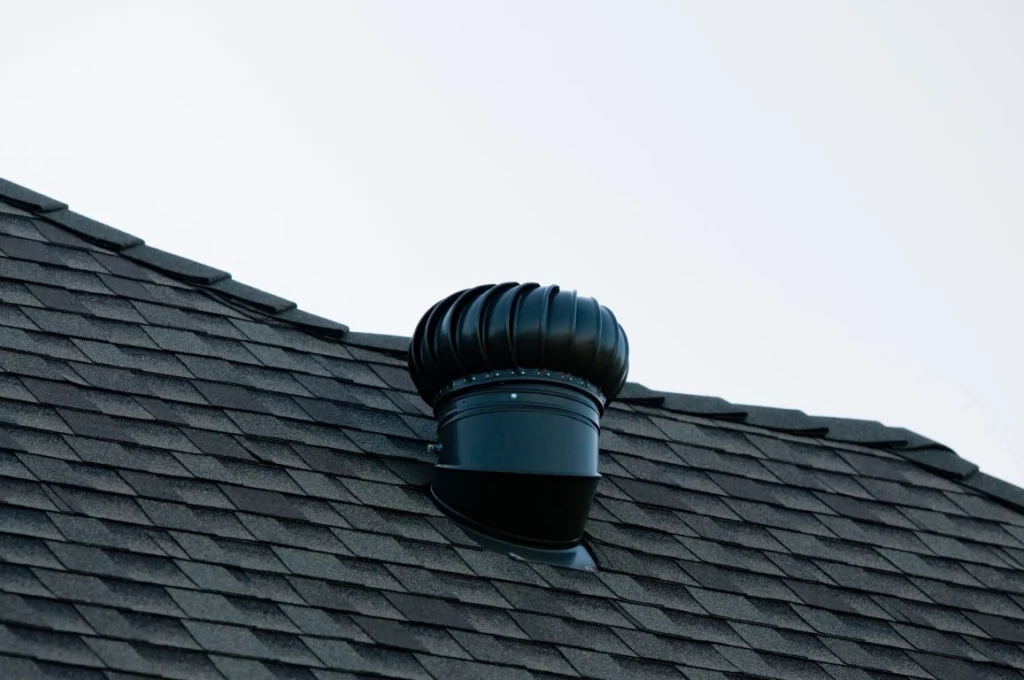
Roofing ventilation allows air to move through your roofing system using intake and exhaust vents. Intake vents, typically located on the lowest part of the roof (such as the soffits), are responsible for allowing fresh air in. The exhaust vents are usually installed at the highest points of the roof (such as the ridges or gables) and allow hot, humid air to escape to the outdoors.
Roofing ventilation can either be passive or active. The more common option is passive ventilation, which relies on natural airflow. Active ventilation uses powered turbines or fans to facilitate air exchange between the indoors and outdoors.
How Roofing Ventilation Improves Indoor Comfort in the Summer
Now that you know how roofing ventilation works, let’s talk about how it can improve your home’s comfort in the summertime.
The temperatures in your attic can rise significantly on hot summer days. Trapped heat from the attic can transfer into your living spaces, making your home harder to cool. However, with proper roofing ventilation, accumulated heat can be released from the attic, making your whole home cooler.
Potential benefits include more consistent indoor temperatures, reduced strain on your air conditioning system, and improved energy efficiency. These benefits are significantly impactful in Utah, where summer temperatures can climb over 100 degrees.
Why Roof Ventilation Matters During the Winter
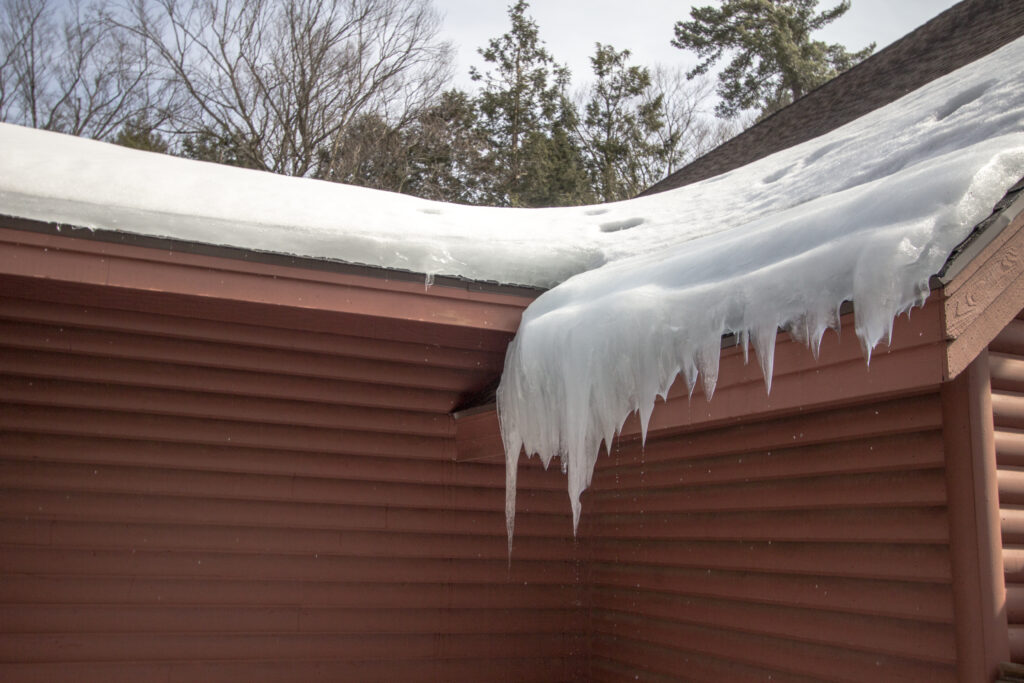
Roof ventilation can help your home stay comfortable in the wintertime, too. When your heater is on, the warm indoor air can escape into the attic and contribute to moisture accumulation. A warm attic can create uneven roof temperatures and contribute to ice dam formation.
Proper roofing ventilation helps maintain temperatures closer to outdoor conditions in the attic, helping reduce condensation that can contribute to mold, mildew, and wood deterioration. However, it’s important to note that ventilation is meant to work alongside proper insulation and air sealing rather than replacing them.
The Connection Between Roof Ventilation and Indoor Air Quality
In addition to helping your home maintain a comfortable temperature, proper roofing ventilation can improve the air quality inside your home. When moisture is trapped in the attic, it can cause condensation, mold growth, and musty odors, which can eventually affect other areas of the home. Proper ventilation can help manage excess moisture and protect the overall indoor environment.
Why Proper Roofing Ventilation Is Important for Your Roofing System
Excess heat and moisture caused by improper roofing ventilation can contribute to premature shingle, roof decking, and rafter damage. This means that proper ventilation can help extend the lifespan of roofing materials and structural components, protecting your roof and saving you money over time on repairs.
Signs Your Roof May Have Poor Ventilation
Be on the lookout for these signs your roof may have poor ventilation:
- Upstairs rooms that are consistently hotter or colder than the rest of the house
- Excessively high attic temperatures during summer
- Condensation or frost on attic surfaces during winter
- Mold or mildew growth in the attic
- Peeling paint or moisture damage near ceilings
- Premature deterioration of roofing materials
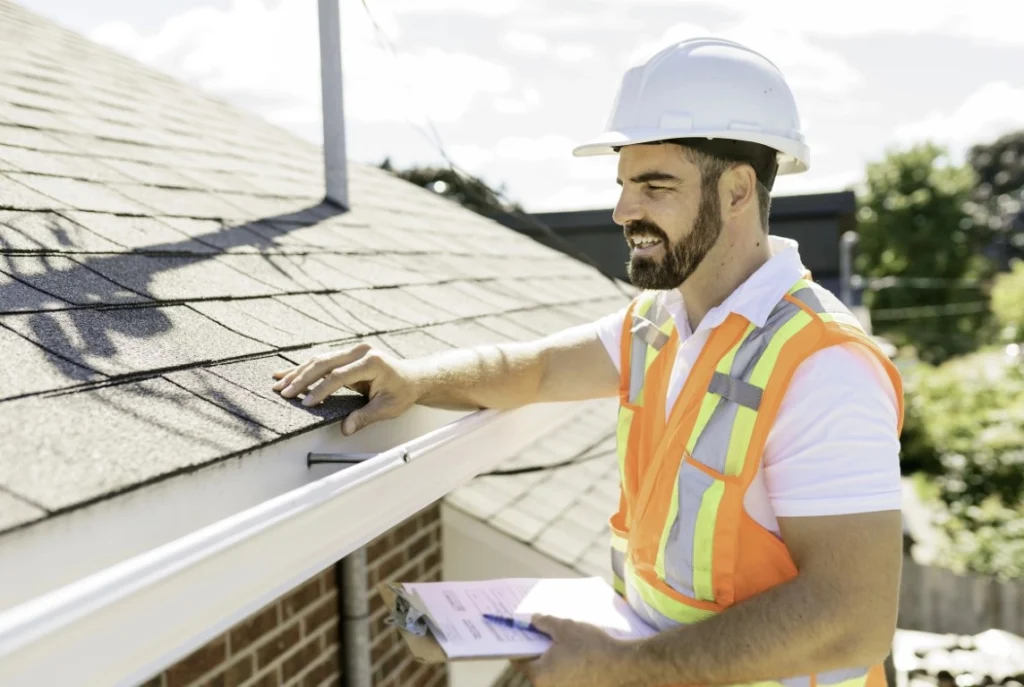
Keep in mind that these symptoms can also have other causes besides insufficient ventilation. That’s why it’s a good idea to have a professional come out and do an inspection to identify the underlying issue.
How to Improve Your Home’s Roof Ventilation
If you’re looking to improve your home’s roofing ventilation system, it’s a good idea to seek an inspection from a roofing professional. They can recommend specific ventilation improvements based on your roof’s design, size, and existing ventilation setup, including:
- Adding or improving soffit intake vents
- Installing ridge vents or other appropriate exhaust vents
- Clearing blocked ventilation openings
- Ensuring insulation isn’t obstructing airflow
- Addressing attic air leaks and inadequate insulation
Roofing Ventilation Improvements by Kanga Roof
At Kanga Roof, we understand that roofing ventilation plays an important role in indoor comfort, moisture management, energy efficiency, and roof longevity. We know that proper roof ventilation is especially valuable in Utah, where homes experience significant seasonal temperature changes, which is why we’re proud to offer expert inspections.
If you’ve noticed any signs that your roofing ventilation isn’t quite sufficient, contact us today to schedule your inspection and learn whether ventilation improvements are needed.
Follow Us