

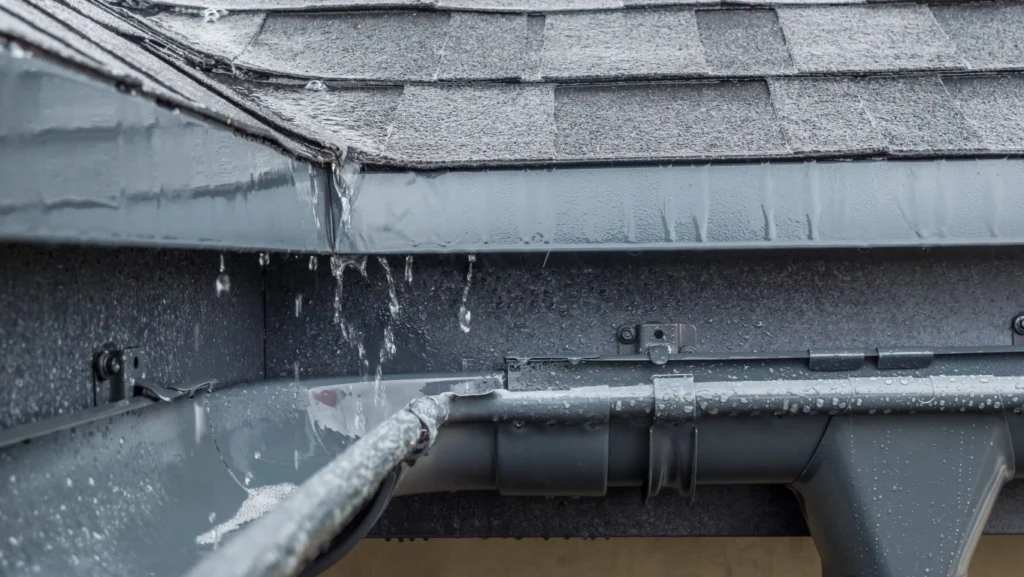
Your home’s roof and foundation are more connected than you might think. They may be the very top and bottom of your home, but that doesn’t mean that issues with one are unrelated to the other. Gutters, downspouts, roof slopes, and drainage systems all work together to move water away from your home and prevent it from seeping into the foundation.
At Kanga Roof, we know that poor roof drainage can lead to the need for costly structural repairs. That’s why we want to help you understand the importance of a properly functioning drainage system so you can protect your home’s foundation. Keep reading to learn more about the relationship between roof drainage and your home’s foundation and how to ensure your home is protected.
The Relationship Between Roof Drainage and Your Foundation
The purpose of roof drainage systems is to direct rainwater from the roof and safely to the ground. A good drainage system involves various components, including gutters, downspouts, splash blocks, drain extensions, roof valleys, flashing, and the roof’s slope and design. These elements work together to capture water and direct runoff away from your home.
If the drainage system isn’t working properly, water has nowhere to go but directly downward. When water from the roof pools near the foundation, it can erode the soil around the foundation’s walls. This uneven soil support can cause the foundation to settle, sink, or shift over time.
Additionally, when soil is saturated with water, it becomes much heavier, putting major hydrostatic pressure against the walls. When this happens, water can find its way into even the smallest gaps or cracks in the foundation. When temperatures drop and the moisture in the foundation freezes, it expands, which can worsen cracks and make a full-blown flood more likely.
Even if your basement doesn’t flood, moisture infiltration can still cause some serious issues, including mold and mildew growth. Not only can mold and mildew cause major property damage, but they can also put your health at risk.
Signs Your Roof Drainage System May Be Putting Your Foundation at Risk
Be on the lookout for the signs that your roof drainage system may be putting your home’s foundation at risk:
- Overflowing gutters: Gutters can overflow due to debris buildup, clogs, broken sections, and more. The overflowing water can easily end up next to the foundation, putting it at risk of moisture infiltration.
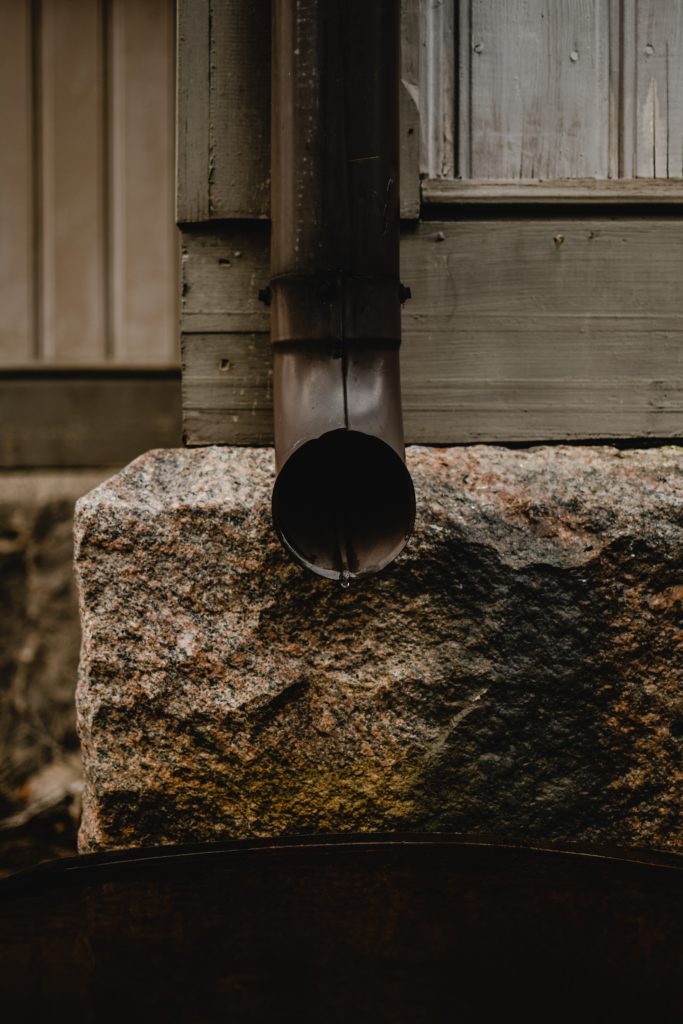
- Missing or damaged downspouts: When the downspouts are not intact, water is dumped directly at the foundation instead of being directed away from the home.
- Standing water around the home: If you see standing water around your home after rainstorms, especially near the foundation, it’s a good indication that your drainage system is not working properly.
- Soil erosion near foundation walls: If you notice exposed sections of foundation or washed-out landscaping and mulch, it’s a sign that water is not being directed away from your home like it should.
- Basement or crawl space moisture: Look for damp walls, musty odors, mold growth, and water stains in your basement, which may indicate water infiltration.
How Proper Roof Drainage Prevents Foundation Damage
Proper roof drainage can go a long way toward preventing foundation damage.
If your downspout doesn’t extend at least 4–6 feet away from the foundation, it’s a good idea to attach a simple downspout extension — that way, the water runs out and away from your home instead of pooling right next to it.
A properly functioning drainage system can reduce soil saturation, as well. By preventing excessive moisture accumulation, it helps maintain stable soil conditions, minimizing hydrostatic pressure on the foundation. It also decreases erosion, which helps preserve flower beds and landscaping.
With the right drainage, you can reduce stress on foundation walls, decrease the risk of moisture intrusion and flooding, and prevent the need for costly repairs.
Roof Drainage Maintenance Tips for Homeowners
Follow these maintenance tips to keep your home’s roof drainage system flowing freely:
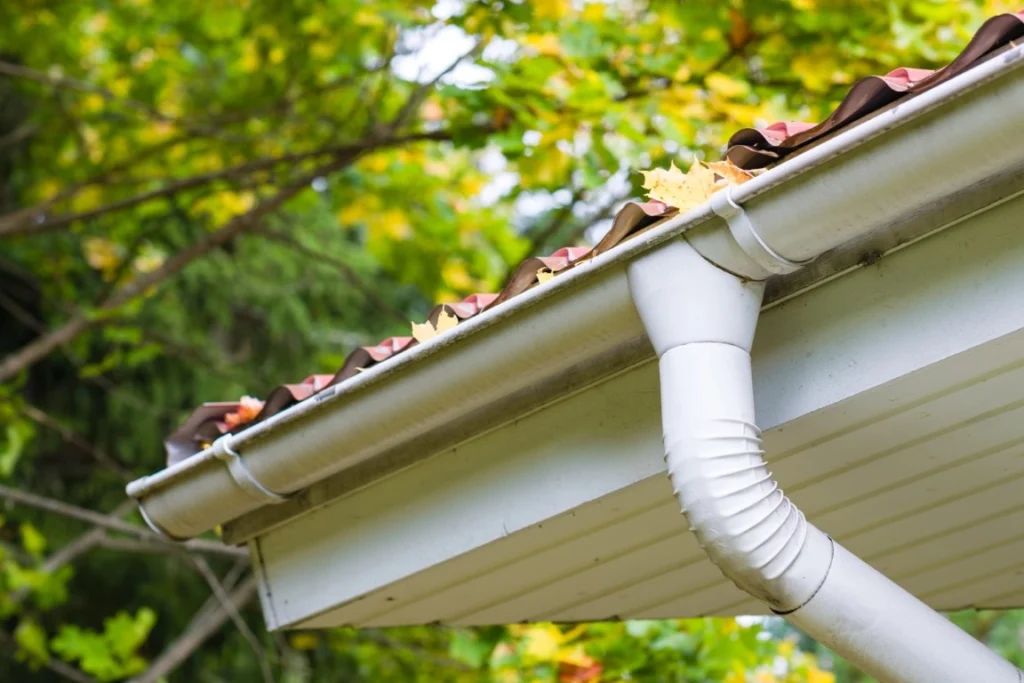
- Keep gutters clean: Regularly remove leaves, debris, and sediment from your gutters to ensure water can flow through them.
- Inspect gutters and downspouts regularly: Check for signs of damage to your gutters and downspouts, including leaks, cracks, and sagging.
- Check for proper water flow: Observe the drainage system during rainfall to identify leaks, overflows, or other trouble spots.
- Install gutter guards: If you don’t want to worry about cleaning your gutters, consider installing gutter guards, which stop debris from accumulating.
- Schedule professional roof inspections: Schedule professional roof inspections at least once a year to identify drainage issues before they become major problems.
Protect Your Home’s Foundation with Kanga Roof
Whether your roof needs drainage improvements, minor repairs, or a full replacement, the team at Kanga Roof is here to help. If you want to keep your roof in optimal condition and protect your home’s foundation, contact us today!

Follow Us