

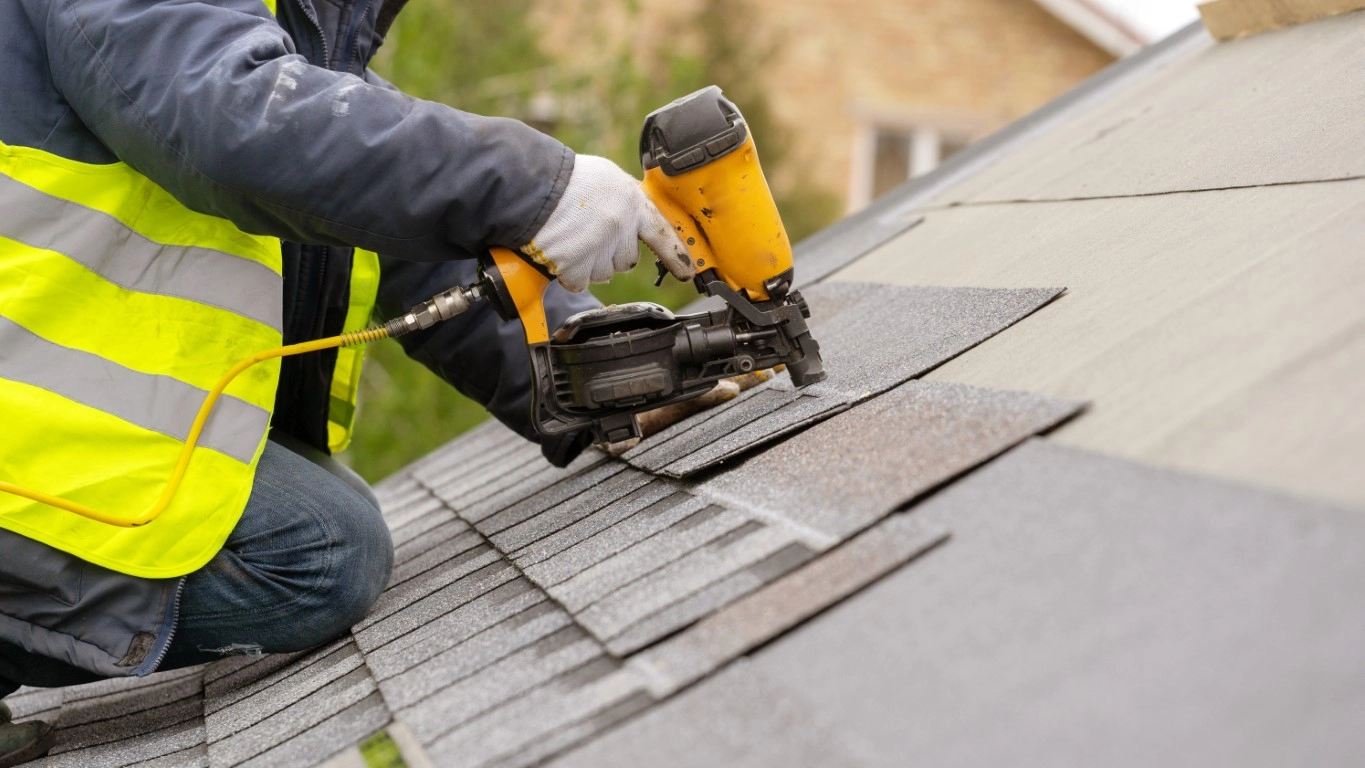
When it comes to repairing and upgrading your roof’s shingles, it’s important to know the best options for you. Though some may try to save money by installing new shingles over old ones, it might cost more in the long run. Compared to full shingle removal and replacement, layering shingles has a few benefits and added disadvantages.
At Kanga Roof, we are dedicated to providing you with the highest quality. From top-notch products to excellent service, we help keep your home safe with strong and long-lasting roof solutions. Make confident decisions when choosing the right repairs for your roof with our team of trained roofing professionals.
Defining Roof Overlay Vs. Full Tear-Off
The process of placing a new layer of shingles over the old shingles on your current roof is called roof overlay, or layering. This practice excludes the step of removing the existing shingle layer, and should only be done under exact conditions. A home’s roof must meet local building codes that will often prohibit more than two layers of shingles because of added weight. Ensure that your roof only has one layer before adding a second. If you want to do a roof overlay, the old shingles must be even and flat against your roof and in good condition. Uneven or damaged shingles can compromise the roof’s structural integrity and cause damage to your home.
A full tear-off means that everything on your roof is stripped down to its decking. With each shingle removed, the roof can be evaluated and inspected for water damage, wood rot, termite tunneling, or any other issues. With a clear roof, you can upgrade your roof with new water resistant protection, ventilation, and shingles that sit flush with your decking for an even and strong roof.
The Pros of Roof Overlay
Although roof overlays can only be done under specific conditions, they are still done today because of these added advantages:
- Reduces Labor: When adding a second layer of shingles on top of your roof, you save the work it takes to strip away the old layer and clean up each shingle.
- Quicker Installation Process: When skipping the removal phase, you shorten the amount of time it takes to install new shingles. Your roof stays protected during the project, as the old layer is never stripped to expose the roof’s decking, and roofers can spend less time on the project.
- Easy Clean Up: Although overlooked, a big benefit to a roof overlay is the smaller mess. When fully tearing off your roof’s old layer, nails, underlayment paper, starter strips, and shingle after shingle are stripped off the roof. Waste fills up the garbage bin quickly, and loose debris can spread around your yard.
- Lowers Upfront Costs: By excluding the labor of tearing off and cleaning up old shingles, and creating a faster installation time, the cost of the project is more affordable than a full tear-off. Often, the main reason for a homeowner to choose a roof overly, less money is spent on simply adding a new layer.

The Cons of Roof Overlay
Even with the convenience of a roof overlay, the quick solution tends to have quite a few setbacks:
- Excessive Weight Strain: When you place new shingles over an existing layer, the weight of the shingles held by the roof’s rafters is doubled. Asphalt shingles themselves can weigh between 350-450 pounds per 100 square feet. The roof’s framing can become damaged under the extra pressure, leading to cracks or bowing, and you risk the roof collapsing.
- Compromised Ventilation: Adding a new layer of shingles changes the roof’s overall ventilation. With restricted airflow, water and heat can become trapped against the roof’s decking, causing water damage and deterioration over time.
- Omitted Inspections: A downside of a roof overlay is the chance that you would get to inspect your roof during a full tear-off. Contractors are not able to take a look at the underlying wood decking and check for mold, bowing, rot, leaks, or cracks.
- Limited Warranty Protection: Manufacturer warranties follow strict rules for the use and protection of your roof. If shingle manufacturers include specific instructions that require proper layering and flashing, damage to shingles that have been used for a roof overlay may not be covered.
- Resale Complications: If future buyers realize they will eventually have to tear off two layers of shingles and pay for the costs of any damage from a roof overlay, they may not be as interested in the home, or will talk down the price.

Shingle Replacement and Repairs with Kanga Roof
Whether you decide to go the route of a roof overlay, choose to do a full tear-off, or need help evaluating your options, Kanga Roof is the team for you. Awarded the Technician Seal of Safety, you can trust us to take good care of your home or business. Contact us to learn more or request an estimate today!
Follow Us