

Earthquake resistance is a vital consideration in roofing, especially in regions prone to seismic activity. Roofs are one of the most vulnerable structural components during earthquakes, so it’s essential to give it some extra stability.
Since severe earthquakes are uncommon, many homeowners underestimate the importance of earthquake-resistant roofing; however, it’s a crucial component of disaster preparedness. Earthquake-resistant roofing combines the right materials, expert engineering, proper installation techniques, and careful maintenance to ensure it can stand up to seismic activity.
At Kanga Roof, we want you to have all the information you need to protect yourself and your home from the dangers of earthquakes. In this blog post, we’ll cover why earthquakes damage roofs, some key features of earthquake-resistant roofs, the best materials to use, how to improve your roof’s earthquake resistance, and more.
Why Earthquakes Damage Roofs
As you know, earthquakes can be incredibly destructive. They create side-to-side movement in the ground that shifts foundations and distorts framing, putting stress on the roofing system. Furthermore, heavier roofs place more stress on a home during an earthquake, increasing the risk of collapse. Plus, if the connections and fasteners are weak, they can fail, causing the roof to come apart at the seams.
Key Features of Earthquake-Resistant Roofs
Earthquake-resistant roofs often have:
- Lightweight roofing materials: Lighter materials, such as metal roofing, asphalt shingles, and synthetic slate or shake products, can reduce structural strain.
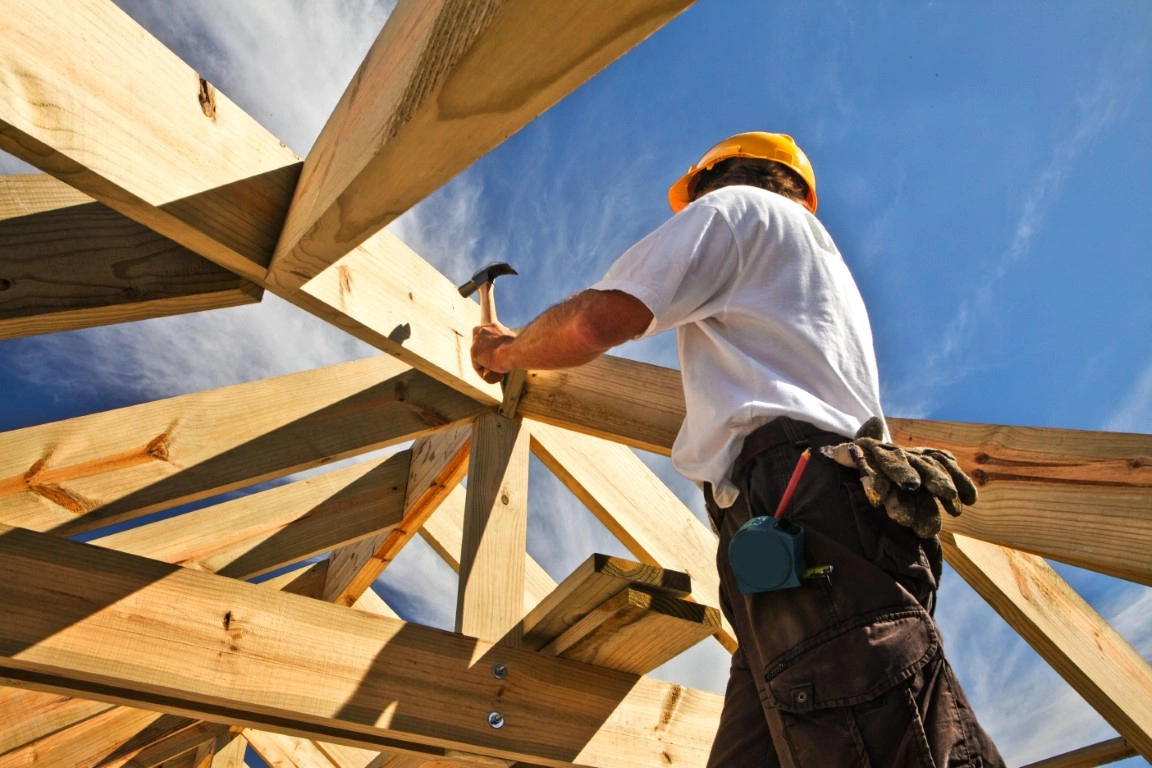
- Strong roof-to-wall connections: Reinforced connections are essential for keeping everything in one piece during an earthquake. Features like hurricane clips, seismic straps, and metal connectors can give connections extra strength.
- Flexible roofing systems: Flexibility helps roofs absorb movement during an earthquake without cracking or collapsing.
- Reinforced roof decking: Roof decking plays a significant role in maintaining the roof’s structural integrity. Improved fastening methods and stronger sheathing materials can improve the roof’s earthquake resistance.
- Proper roof framing design: Modern framing techniques, engineered trusses, and proper load distribution can also improve seismic performance.
Professional installation is also key to achieving an earthquake-resistant roof. Professional roofing contractors follow regional seismic requirements and ensure everything is up to code. Every detail, from nail placement to fastening patterns, must work together to create a roofing system that can withstand seismic activity.
Best Roofing Materials for Earthquake-Prone Areas
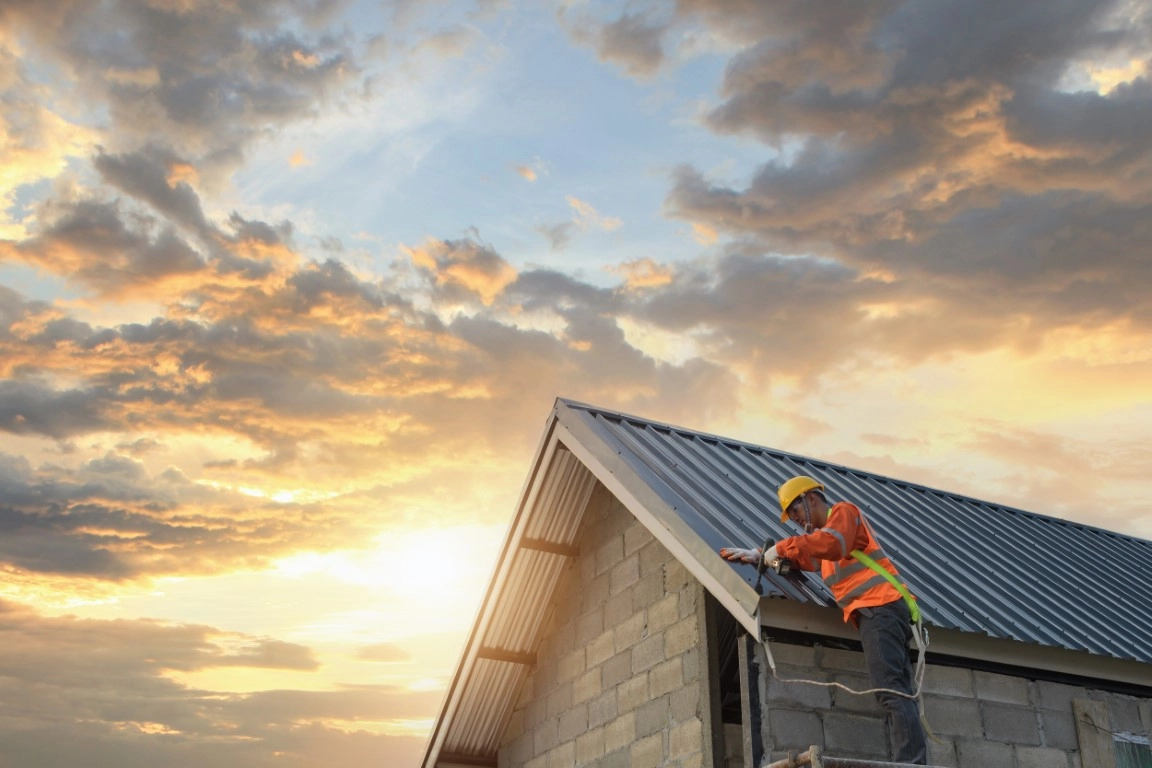
Metal is one of the best roofing materials for structures in earthquake-prone areas. Compared to other materials, it’s lightweight, durable, and flexible under stress. Plus, it has a long lifespan and requires comparatively little maintenance.
Asphalt shingles are another good option. They’re affordable and relatively lightweight, and with proper installation, they can improve seismic performance. The same goes for synthetic slate and shake — they weigh less than natural materials and offer improved impact resistance.
Concrete tile, clay tile, and natural slate should be used with caution. They can still be part of an earthquake-resistant roof if the roof is engineered properly, but because they’re extremely heavy, they can increase the risk of collapse.
Signs Your Roof May Be Vulnerable During an Earthquake
Not all roofs are designed to withstand an earthquake — and even if they are, age can take its toll. Older roofs can deteriorate and become brittle, impacting their performance. Plus, water damage, rot, or prior storm damage can weaken the entire roof system. Additionally, look for a sagging roofline, as this may indicate structural weakness, along with loose or missing fasteners, which can increase failure risk.
Retrofitting Existing Roofs for Better Earthquake Resistance
If you suspect your roof may be vulnerable during an earthquake, the good news is that many roofs can be retrofitted for better earthquake resistance. Repairs can be made to address damage, connections can be upgraded and reinforced, heavy roofing materials can be swapped for lighter alternatives, and deteriorated decking can be replaced.
Additionally, unsecured rooftop components can become hazards during earthquakes, so ensuring chimneys, skylights, solar panels, vents, HVAC equipment, and other roof-mounted features are secure is also a good idea.
Additional Ways to Improve Roof Safety During Earthquakes
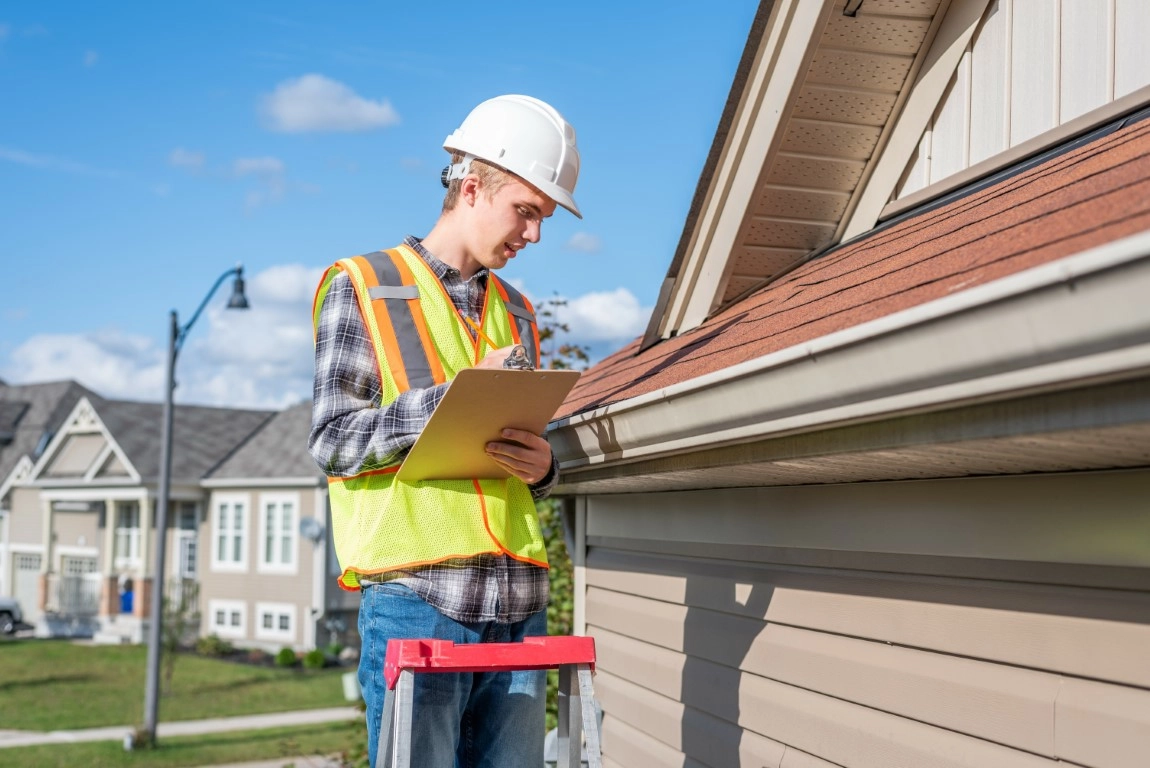
Having an earthquake-resistant roof isn’t enough. You also need to keep up with routine roofing inspections to identify any damage or vulnerabilities early. Gutter and drainage maintenance are also essential; if moisture is allowed to seep into your roof, it can significantly damage the roofing structures over time.
You should also make sure you work with experienced roofing contractors throughout your roof’s lifespan. Seismic expertise matters when selecting a roofing professional — if you want an earthquake-resistant roof, you need to choose someone who truly understands local seismic codes and is prepared to help you meet them.
Ensure Your Home is Protected From Earthquakes
If you want to ensure your home is protected from earthquakes, trust the experts at Kanga Roof to provide the services you need. We’re well-versed in Utah’s building codes and have helped countless homeowners improve their roofs’ earthquake resistance. Contact us today to schedule a roof inspection to evaluate your roof’s earthquake readiness!
Follow Us