

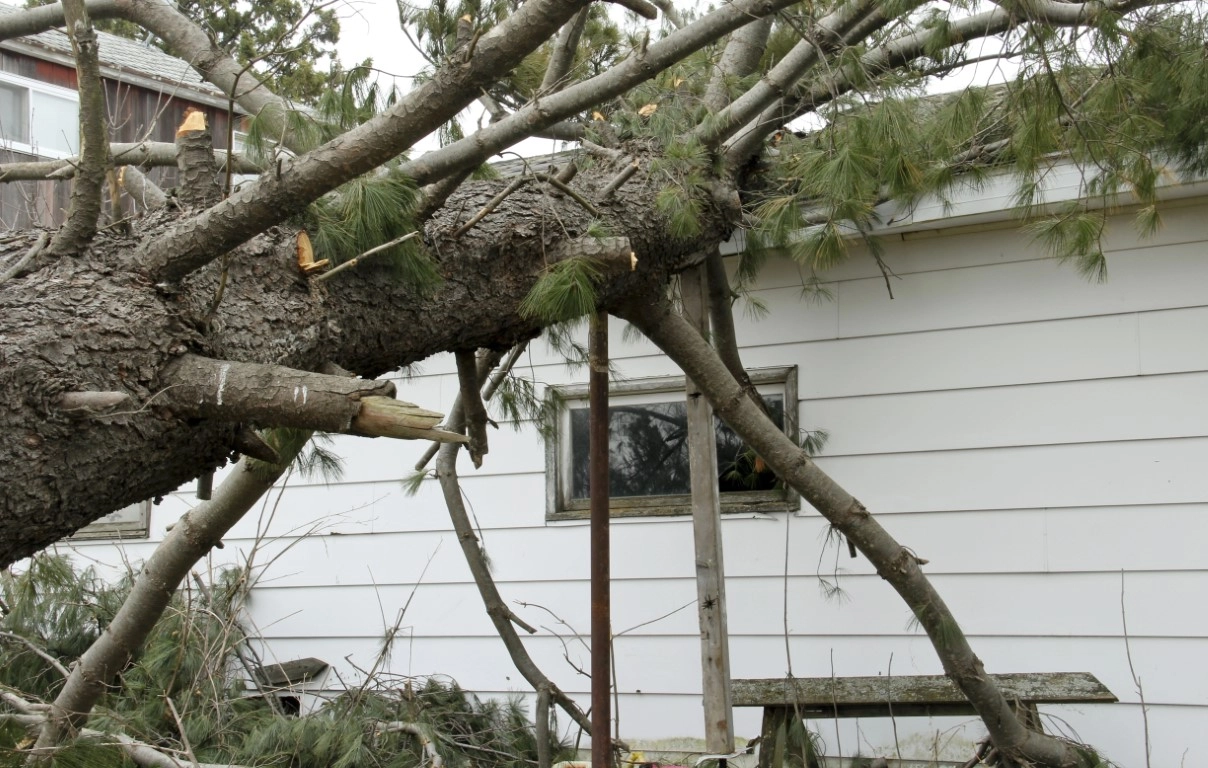
No residential property is complete without a tree or two. Trees provide shade, helping you stay comfortable when spending time outdoors. They’re also beautiful to look at, with their branches swaying in the breeze. However, these very branches can pose a serious threat to your home — more specifically, its roof.
Even if the tree branches never fall, they can cause gradual roof damage through rubbing, moisture retention, and debris buildup. That’s why it’s so important to maintain the trees near your home and regularly inspect the roof for signs of damage.
Keep reading to learn more about how tree branches can damage your roof, warning signs to look out for, tips for protecting your roof, and when to call a professional.
How Tree Branches Damage Roofing
Let’s take a closer look at the ways tree branches can damage your roof:
1. Constant Rubbing Can Wear Down Shingles
As the wind blows, overhanging tree branches can scrape against the asphalt shingles, creating repeated friction. This can remove the protective granules and weaken the shingles, making them more vulnerable to UV rays, rain, and temperature changes. Look for warning signs of damage such as bare spots, excessive granules in the gutters, or visibly worn shingles.
2. Falling Branches Can Cause Immediate Damage
Dead or especially heavy branches can break during wind, storms, or heavy snowfall. When they fall, they can crack or puncture shingles and damage flashing, vents, or gutters. Larger branches can cause structural damage to the roof deck. If you suspect storm-related damage, you should seek a professional inspection as soon as possible.
3. Leaves and Small Twigs Trap Moisture
Overhanging tree branches can cause leaves, needles, and twigs to fall onto the roof. This organic debris can trap moisture against roofing materials, contributing to shingle deterioration, mold, algae, and wood rot. This means that areas of the roof beneath trees may require more frequent maintenance.
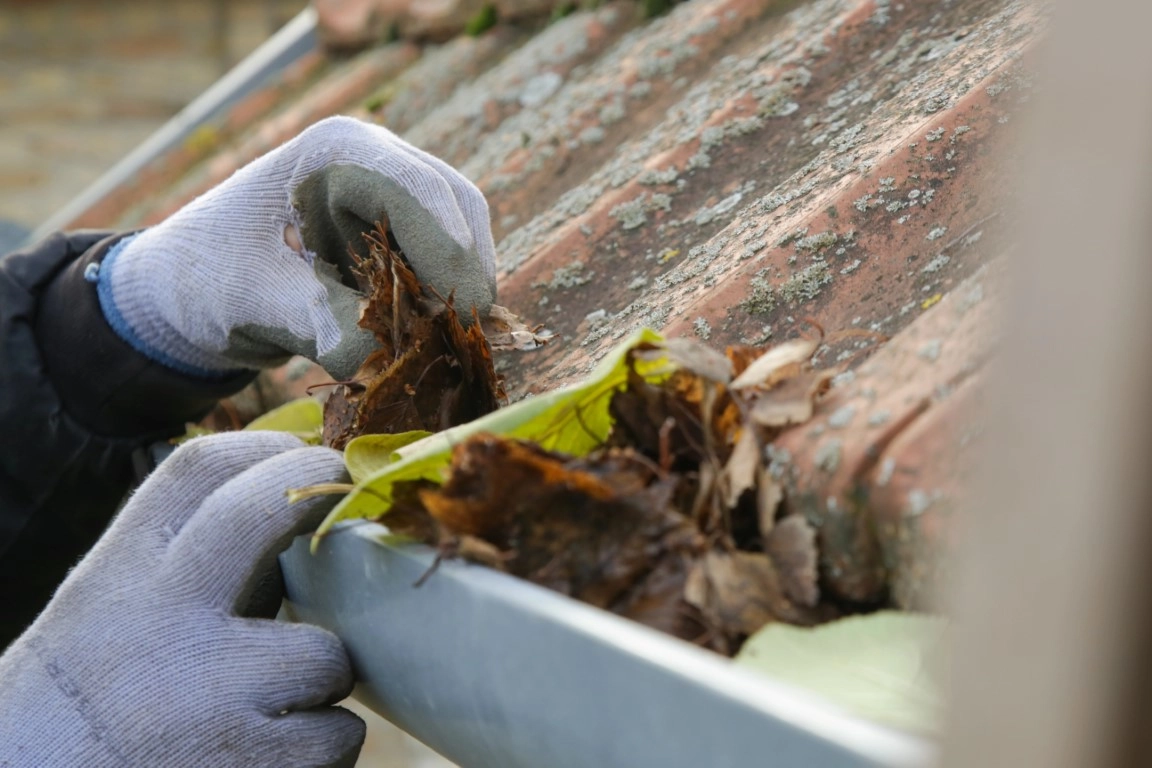
4. Debris Can Clog Gutters and Downspouts
Needles, leaves, and other debris can accumulate in gutters, preventing proper drainage and causing water to back up onto the roof or forcing it beneath the shingles. This can contribute to major issues with the fascia, soffits, siding, and even foundation. If you have overhanging tree branches, gutter maintenance is an even more essential component of protecting your roof.
5. Tree Growth Can Create Roof Access for Pests
Tree branches touching the roof can provide pathways for squirrels, rodents, birds, and other pests, giving them easy access to your home. Animals can damage the shingles and create openings around vents. Plus, nesting material can contribute to additional moisture and ventilation problems.
6. Shade Can Keep the Roof Damp
Dense tree cover can reduce sunlight and airflow around the roof, which means it stays damp longer after rain, making it more susceptible to algae and moss growth. This doesn’t just affect the roof’s appearance — in some cases, it can deteriorate the roofing materials.
How to Protect Your Roof From Tree Damage
Protecting your roof from damage doesn’t mean you have to cut down your trees. There are simple steps you can take to make damage less likely, including:
- Keeping branches trimmed back: Maintain sufficient space between tree branches and the roof. If the trees are large, mature, or difficult to access, professional tree trimming may be appropriate.
- Remove dead or diseased branches: Dead branches are more likely to break and fall during storms. Make sure you remove them before they have the chance to cause damage.
- Keep the roof and gutters clear: Regularly remove accumulated leaves and branches from your gutter. Consider installing gutter guards to help cut down on clogs.
- Schedule regular roof inspections: Professional inspections can identify minor roof damage before it becomes a larger problem. Seek inspections after severe weather or if you notice signs of tree-related damage.

When to Call the Roofing Professionals at Kanga Roof
Give Kanga Roof a call after a large branch falls onto the roof, if you notice missing or damaged shingles, or if there are signs of a roof leak. We’ll inspect and address the damage, ensuring your roof remains structurally sound and can continue protecting you from the elements. When you allow us to address small issues early, we can help prevent the need for extensive repairs in the future and potentially extend your roof’s service life.
Contact us today to schedule an inspection, repairs, or gutter guard installation.
Follow Us