

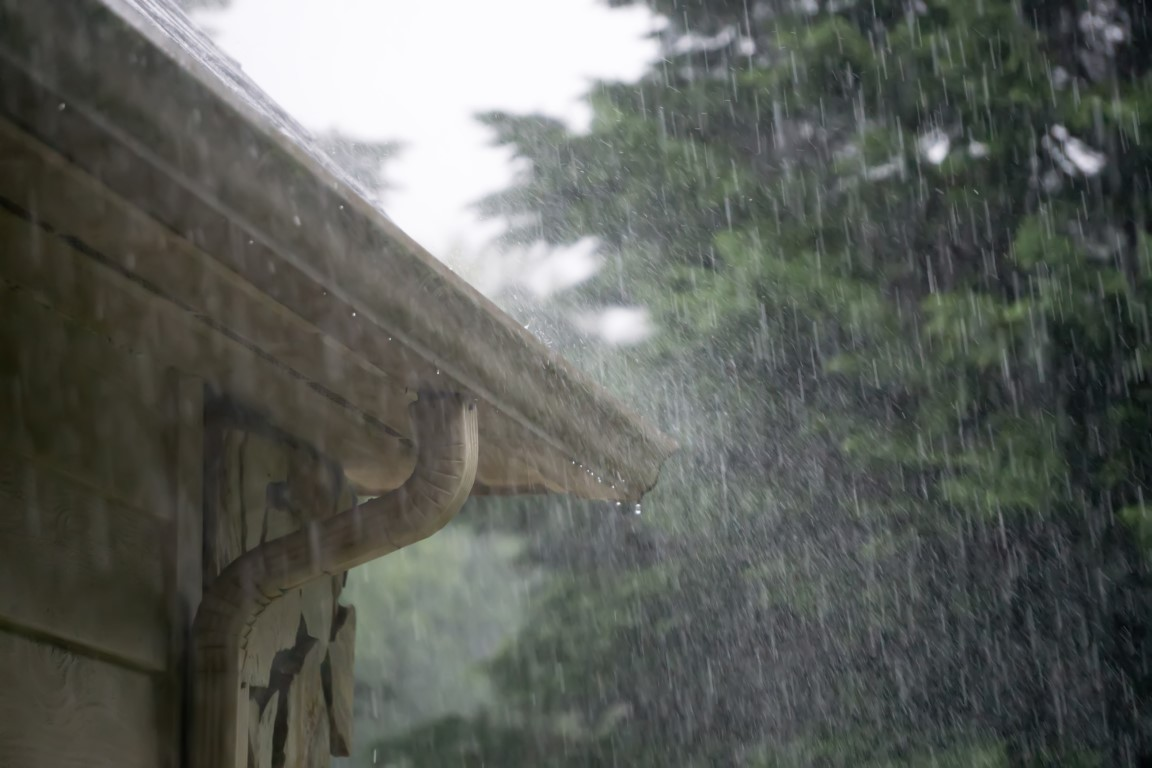
Rain doesn’t always fall straight down — strong winds can force water horizontally and upward in a phenomenon known as wind-driven rain. This can be a roofing concern, particularly during severe storms. Even if your roof appears to be intact, it can develop moisture intrusion when the wind pushes water into vulnerable areas.
At Kanga Roof, we want you to understand how wind-driven rain causes damage so you know how to prevent it and what to do if damage occurs. Keep reading to learn more about how wind-driven rain causes damage, signs of damage to look out for, how to reduce your risk, and what to do after a severe storm.
How Wind-Driven Rain Gets Under Roofing Materials
When high winds change the direction and force of falling water, it’s known as wind-driven rain, which can push moisture underneath or behind roofing components. Depending on how long the storm is, the wind speed, and the intensity of the rain, the risk of water intrusion can be higher or lower.
Wind-driven rain is particularly concerning when combined with existing roof vulnerabilities. Cracked, lifted, curled, or missing shingles create opportunities for water to enter. Additionally, wind can lift shingle edges and allow rain to blow underneath.
Another common area of vulnerability is flashing around chimneys, skylights, vents, walls, and roof transitions. If the flashing deteriorated, loose, or improperly installed, it can allow wind-driven water into the roof system.
Furthermore, wind can create pressure around roof edges, eaves, and ridges, making them more vulnerable during severe storms.
Signs Wind-Driven Rain May Have Damaged Your Roof
Be on the lookout for common signs wind-driven rain may have damaged your roof, including:
- Water stains on ceilings or walls
- Damp or discolored attic insulation
- Moisture or staining around skylights, chimneys, and vents
- Dripping or damp areas in the attic after a storm
- Musty odors after heavy rain
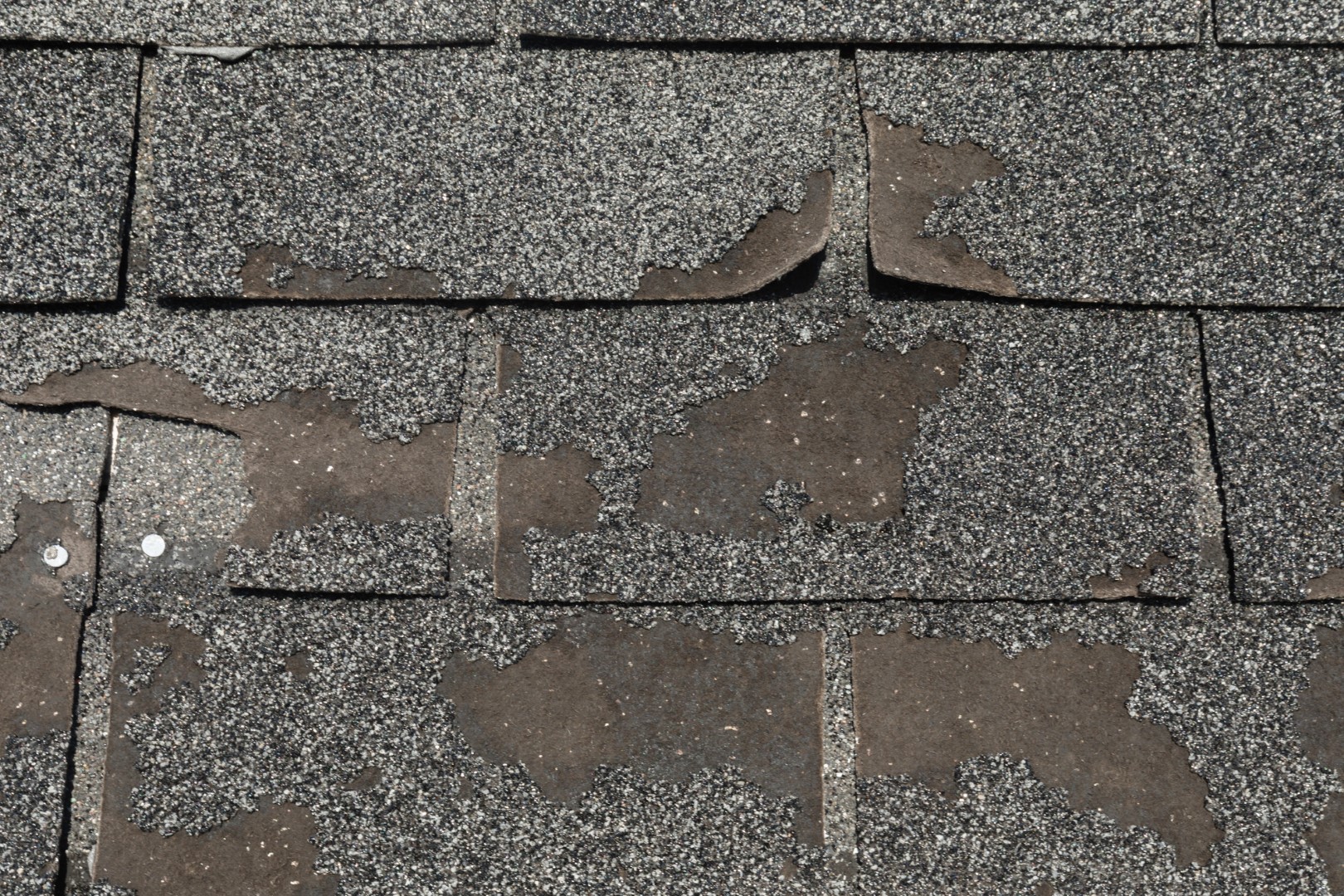
- Loose, lifted, cracked, or missing shingles
- Damaged or displaced flashing
- Peeling paint or bubbling drywall near the ceiling
However, it’s important to understand that some moisture intrusion may not become visible until hours or days after the storm, making it difficult to detect. Water can enter in one location and travel along decking, insulation, framing, and other roofing materials before creating a stain on the ceiling. This means that the lack of obvious water stains don’t necessarily mean the roof escaped damage — small leaks can remain hidden inside the roof system, which is why it’s essential to check the attic and roof after significant storms.
What Happens If Wind-Driven Rain Damage Is Left Unaddressed?
Like with any roof issues, it’s important to address damage caused by wind-driven rain as soon as possible. If left unaddressed, you’re risking:
- Roof deck and structural damage: Repeated moisture exposure can deteriorate roof decking and supporting materials.
- Mold and mildew growth: Trapped moisture can create the perfect breeding ground for mold and mildew.
- Insulation damage: Wet insulation can lose its effectiveness and retain moisture.
- Interior water damage: Moisture can damage ceilings, drywall, paint, flooring, and personal belongings.
- More expensive repairs: Addressing a small leak early can help prevent the need for more extensive (and expensive) repairs in the future.
How to Reduce the Risk of Wind-Driven Rain Damage
As always, it’s better to prevent damage to your roof than to have to repair it when it occurs. Follow these tips to reduce your risk of wind-driven rain damage:
- Keep shingles and other roofing materials in good condition
- Replace damaged or missing shingles promptly
- Maintain flashing
- Keep gutters and downspouts clear so water can drain properly
- Have the roof inspected after major wind and rain events
- Address aging or deteriorating roofing materials before severe weather arrives
- Avoid attempting repairs in dangerous storm conditions

What to Do After a Severe Storm
After a severe storm with wind-driven rain, inspect the ground around your home for visible roofing debris. Without walking on your roof, look for missing, lifted, or damaged shingles. Check the ceilings and walls inside your home for new stains or signs of moisture, and if it can be done safely, inspect the attic, as well.
If you find any damage, be sure to document it with photographs and contact a professional roofing contractor for a more thorough inspection. They’ll be able to determine the extent of the damage, its root cause, and what steps need to be taken in order to restore your roof and prevent further issues.
Address Storm Damage with Kanga Roof
Proper installation, regular maintenance, and post-storm inspections can help protect your home against water intrusion. If your roof looks a bit worse for wear after a storm, contact Kanga Roof ASAP to schedule your roofing inspection before the next storm hits.

Follow Us