


Whether it’s a summer thunderstorm, winter blizzard, heavy winds, or hail, storms can compromise a roof’s integrity. As a homeowner, it’s your job to perform timely roofing inspections after a storm to catch damage early and avoid the need for expensive repairs down the line.
While initial roofing inspections are a good way to catch more obvious damage, it’s still important to seek regular inspections from a professional to ensure there’s nothing lurking under the surface.
Keep reading to learn what to look for when you perform your post-storm roofing inspection and how to determine whether you should call a professional for a more thorough evaluation.
1. Safety First
Safety is the most important thing to keep in mind in these situations. Wait until the storm has completely passed and conditions are safe to begin your roofing inspection. Avoid risking injury by climbing up on the roof yourself — instead, use binoculars or a drone to get a closer look from the ground. If something needs to be inspected up close, it’s best to seek professional help.
2. Look for Obvious Exterior Damage
Once you’ve ensured your own safety, start by looking for obvious exterior damage. Are there missing, curling, cracked, or dented shingles? If you have an asphalt roof, look for granules in gutters or downspouts, which can indicate shingle deterioration.
Next, take a look at the flashing and vents. Check for bent, loose, or missing flashing around features like chimneys and skylights, along with damaged vent covers. Examine accessories like satellite dishes, solar panels, or antennae, as well.
3. Check for Signs of Water Damage
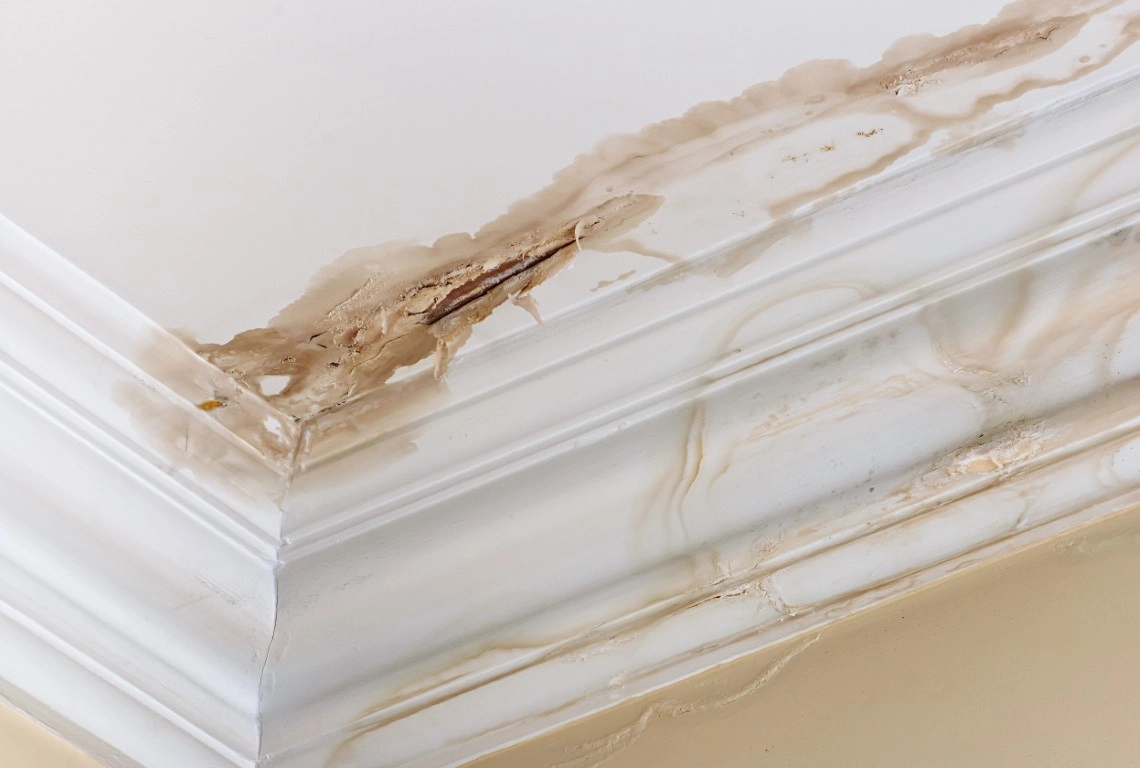
The next step on your post-storm roofing inspection checklist is to check for signs of water damage. Look in the attic for water stains, damp insulation, or active leaks. Check ceilings and interior walls for discoloration or bubbling paint. If there are musty odors present, it could indicate hidden moisture or mold.
Additionally, debris buildup on the roof, such as fallen branches and leaves, can trap moisture. If there’s excessive debris on your roof after a storm, contact a professional to help you clean it off and avoid lasting damage.
Keep in mind that water damage doesn’t always present itself right away. It can take time for water to seep through layers of roofing materials and make its way into your home. It’s a good idea to stay vigilant in the days and weeks following a big storm to make sure you’re safe from water infiltration.
4. Inspect Gutters and Downspouts
Your roofing inspection should include the gutters and downspouts, as well. Look for clogs caused by storm debris and check whether the gutters have pulled away from the roofline or are showing signs of damage. Additionally, look for shingle granules in the gutters — this can indicate aging or hail damage.
5. Examine the Surrounding Property
After that, it’s time to examine the surrounding property. Are there fallen branches or trees on or near the roof? If there’s damage to fences, siding, or windows, it may suggest that the roof was impacted by the storm, too.
6. Document All Damage
If your roofing inspection uncovers any damage, it’s important to document it for insurance purposes. Take clear, timestamped photos of visible issues, and keep notes on the date and nature of the storm. Talk to your neighbors to see whether their roofs experienced similar damage — if they did, it can help with insurance claims.
7. Call a Professional for a Full Inspection
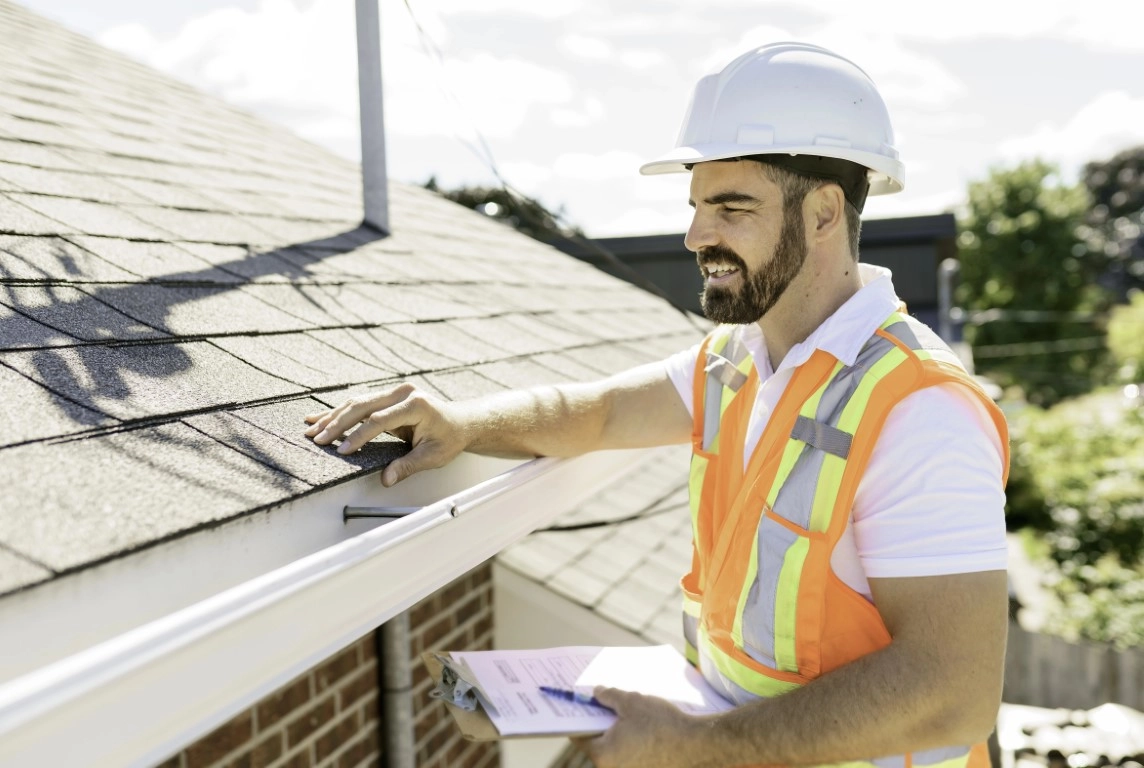
After a significant storm, it’s a smart idea to get a full roofing inspection from a professional. Licensed roofers can identify hidden damage, provide repair estimates, and help with the documentation you need to file insurance claims. Remember that early action is crucial to prevent minor damage from becoming long-term issues.
8. File an Insurance Claim if Needed
After all of that, you can file an insurance claim if needed. Like we mentioned before, you’ll likely have to provide documentation of the damage, its cause, and proof of a professional roofing inspection. Roofing contractors can provide invaluable assistance throughout the claims process, helping you navigate requirements and red tape.
Professional Roofing Inspections by Kanga Roof
Professional roofing inspections aren’t just a useful tool after a storm hits — they’re a smart idea for any homeowner who wants to extend the lifespan of their roof and keep it in optimal condition for years to come.
If you’re in need of a roofing inspection, call the professionals at Kanga Roof. We’ll get you taken care of in no time and give you peace of mind, whether there’s been a recent storm or not.
Follow Us